When a drain slows to a crawl in your Rosemead home, the fix usually comes down to two options: snaking the line or hydro jetting it. Both clear clogs, but they work in very different ways, and choosing the wrong one can mean the same backup returns a few months later. Understanding the difference helps you make a smarter call the next time a sink, shower, or main line gives you trouble.
How Drain Snaking Works
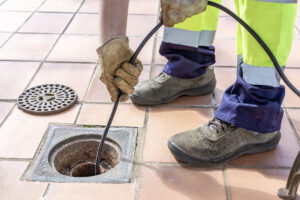
A drain snake, also called a cable auger, is a flexible metal cable fed into the pipe until it reaches the blockage. The plumber rotates the cable so the head either breaks the clog apart or hooks it and pulls it back out.
Snaking is a good fit when:
- The clog is a single, localized obstruction like a hair mass or a lodged object
- The blockage sits relatively close to the drain opening
- The pipes are older or fragile and gentler treatment is warranted
- You need a fast, budget-friendly fix for a one-time problem
The limitation is that snaking punches a path through the clog rather than cleaning the pipe. Grease, soap scum, and mineral scale stay bonded to the pipe walls, which means debris starts collecting in the same spot again.
How Hydro Jetting Works
Hydro jetting uses a specialized hose and nozzle to blast water through the line at very high pressure. Instead of boring a hole through the blockage, the water scours the full interior of the pipe, stripping away buildup and flushing it out of the system.
Hydro jetting is the better choice when:
- Clogs keep coming back in the same drain
- Kitchen lines are coated with years of grease and food residue
- Tree roots have worked their way into the sewer line
- Multiple fixtures are draining slowly at once, pointing to a main line issue
- You want the line restored to something close to its original diameter
At Sean Paul Plumbing, hydro jetting is paired with a camera inspection so we can see exactly what we are dealing with before and after. That matters because it confirms the cause of the clog and verifies the line is actually clear rather than just temporarily moving again.
Why Camera Inspection Changes the Equation
Rosemead has a mix of housing stock, including plenty of homes built decades ago with clay or cast iron sewer lines. Those materials are prone to root intrusion, corrosion, and offset joints. A camera inspection tells us whether you have a soft blockage that jetting will clear or structural damage that needs repair. Without that look, jetting a compromised pipe is a risk, and snaking a root-filled line is a temporary patch at best.
Which One Is Right for Your Home?
A quick way to think about it:
- One slow drain, first time it has happened: snaking is often enough
- Recurring backups, grease-heavy kitchen line, or root problems: hydro jetting delivers a lasting result
- Whole-house drainage issues or aging sewer line: camera inspection first, then the appropriate method
Cost follows the same logic. Snaking costs less upfront but may need repeating. Hydro jetting is a larger investment that often prevents several service calls down the road.
Get an Honest Recommendation
The right answer depends on your pipes, not on a one-size-fits-all sales pitch. Our licensed plumbers evaluate the line, explain what we find, and give you upfront pricing before any work begins. If snaking will solve it, we will tell you that.
If a drain in your Rosemead home is backing up or draining slowly, call Sean Paul Plumbing at (626) 340-5326 to schedule an inspection and get the problem diagnosed correctly the first time.